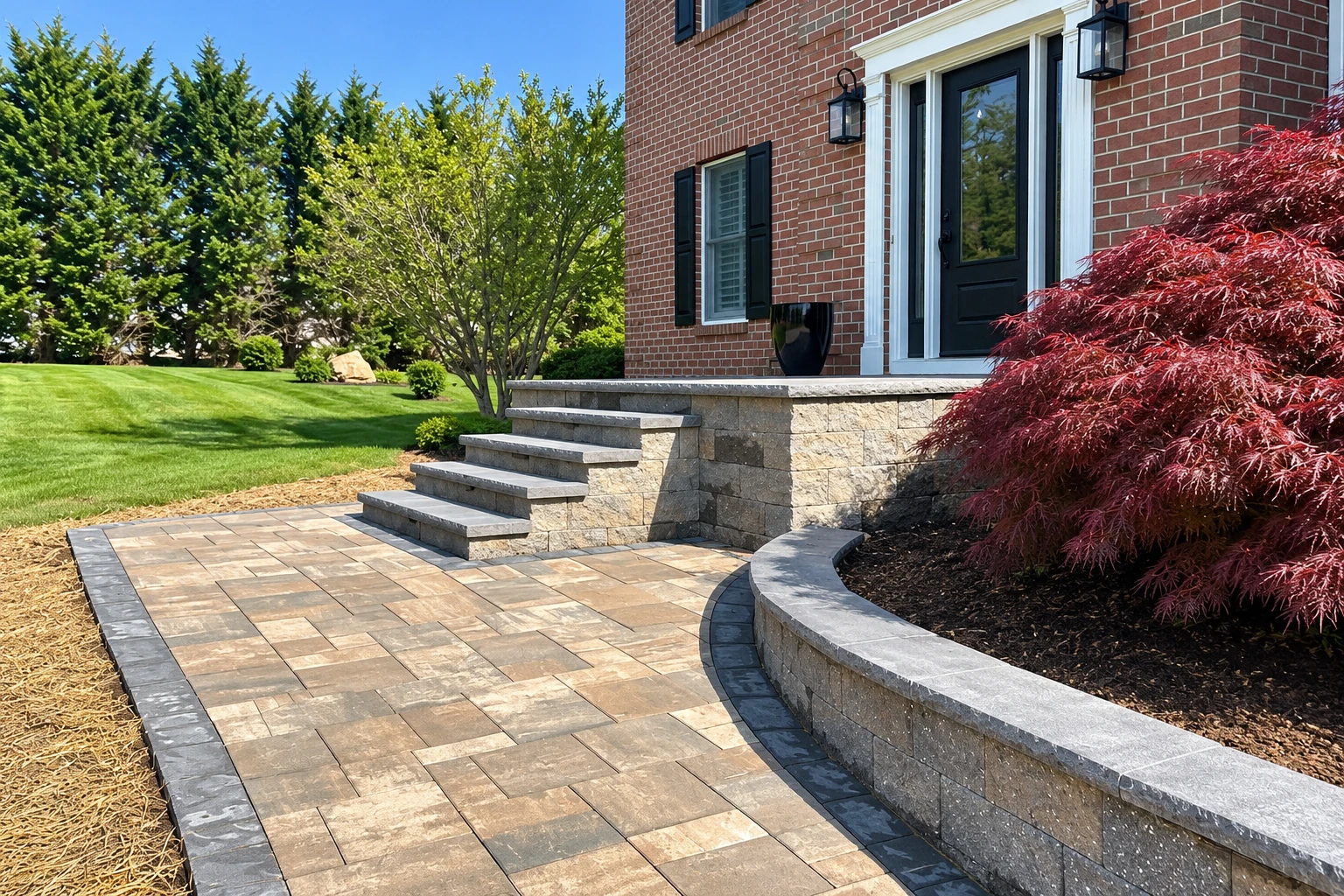
Concrete block walls in Alameda CA - a solid wall that stays neat and sheds water
An old fence giving out, or soil spilling down a slope? We build block walls planned for the height you need and soil they face.
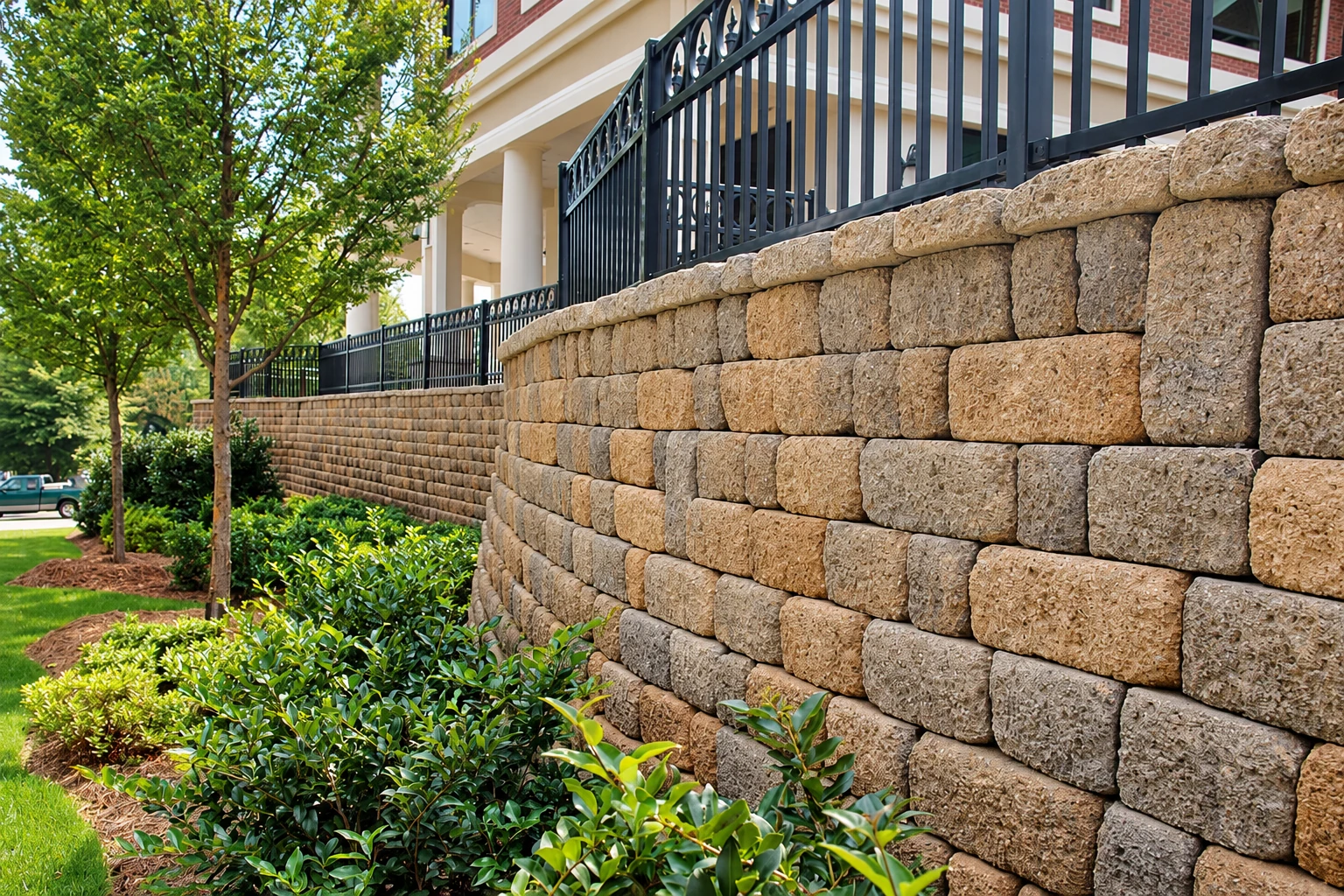
Concrete block walls do two jobs. We ask which first.
A concrete block wall is laid up from concrete masonry units, usually set in mortar with steel in the hollow cores, and it does one of two jobs in Alameda yards. It stands on its own as a solid fence or boundary, or it carries weight, the way a foundation block wall or the base of an outdoor kitchen does.
Much of what matters sits underground. I ask early whether your wall will hold back soil, because that changes how it's built from the footing up, and a wall built like a fence but asked to hold a bank can crack, lean or tip over in time.
The price moves with the wall's length and height, whether it holds soil, how much digging and steel it needs, how easy the yard is to reach and the cap you choose. The schedule turns mostly on the city's permit review and the time the footing needs to cure, and my written estimate spells out the scope for your yard.
You may need a concrete block wall. These are the signs.
Fence posts rotting and leaning
Wood posts usually rot at the ground line, and each repair buys a little less time. The longer a leaning fence stands, the more likely it comes down onto your plants or a neighbor's yard in a storm.
Soil creeping onto a path or patio
A slope that keeps sliding usually needs a wall that holds soil, not a fence. Waiting tends to mean more soil to clear after every wet spell and more water working toward whatever sits below.
Cracks or a lean in an old block wall
Stair-step cracks, a bulge or a top leaning out usually point to a footing, steel or drainage problem behind the face. Left alone, the cracks tend to widen, and a repair can turn into a rebuild.
A concrete block wall starts on site. I come look first.
When you call or write, we set a time, and I come out myself to walk the line of the wall with you. I'll ask where it goes, how tall you'd like it and whether it holds back soil, and I'll look at the slope, anything that has to come out and how our crew will get in.
Then I send a written estimate that spells out the scope, from the footing and steel to the block, the cap and how water gets away. If something can't be known until we dig, such as what's buried under an old wall, I'll say so plainly rather than guess.
Once you're ready, we take care of any city steps and schedule the work. Our own small crew of masons builds the wall with me checking in on site, we keep your yard tidy as we go, and when it's done I walk the finished wall with you.
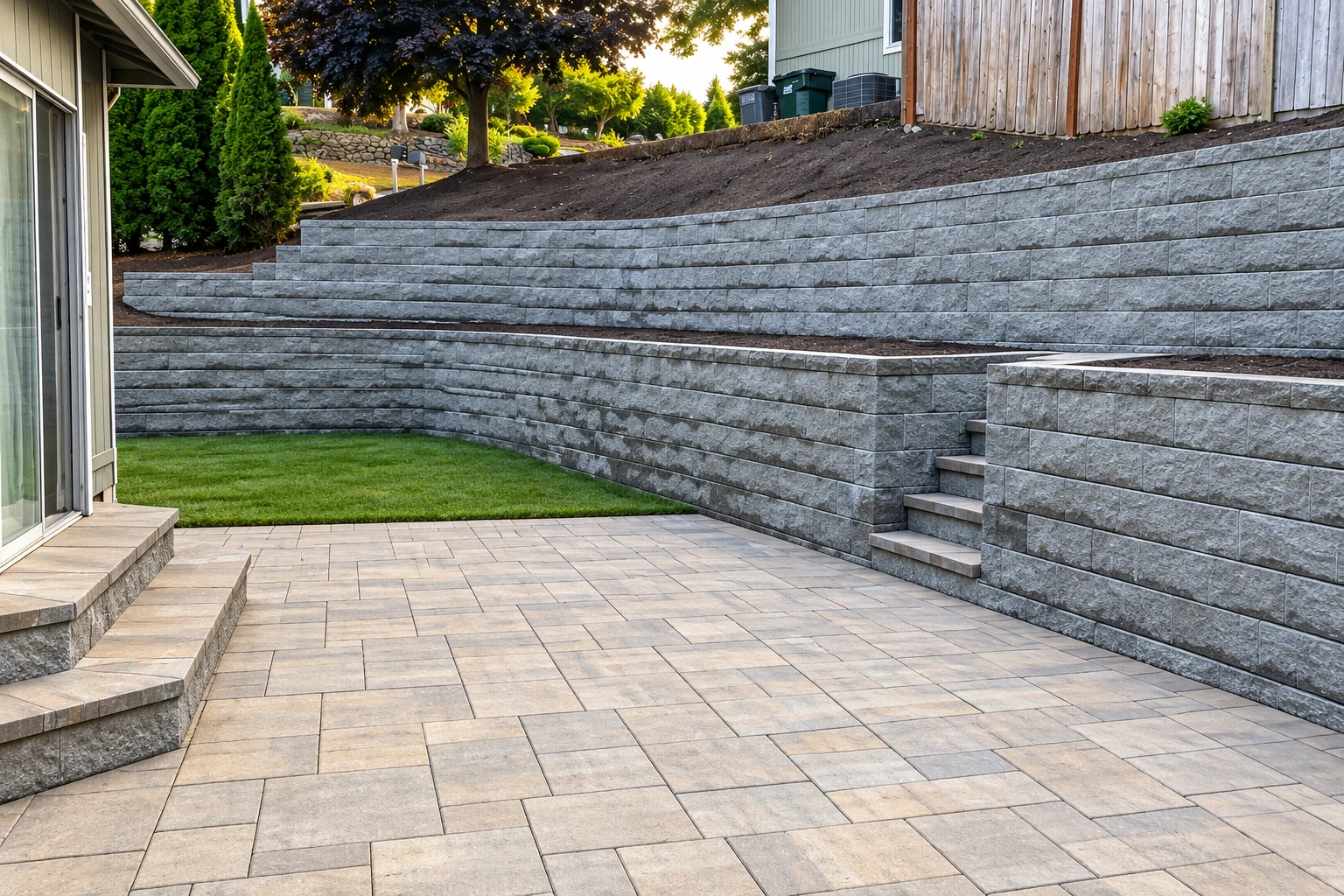
Planning a concrete block wall? Tell us about your yard.
Send where the wall goes, how tall you want it and whether it holds soil. We reply within one business day to set a free, no-obligation estimate on site.
(510) 254-3205Concrete block walls in Alameda need a permit. The ground matters too.
The City of Alameda requires a Building Permit for masonry walls used as fences, whatever the height, and sometimes a Planning Permit too, so we file the application and work with the city through inspections.
Alameda is also mapped for liquefaction, where strong shaking on the Hayward fault can make wet sand act like liquid, and only test borings drilled on a lot can pin down the risk there, so we give the footing and steel close attention here and on walls in Oakland and San Leandro.
You'll have questions about block walls. Here are our answers.
Please read through the answers below as you plan your wall. If your question isn't covered, give us a call and I'll gladly talk it through.
How tall can a concrete block wall be in Alameda?
In Alameda, a solid wall can reach six feet in a side or rear yard but only three feet within 20 feet of the front property line. See-through material allows more, up to eight feet at the side and rear, a Planning Permit can allow more out front, and visibility zones hold any fence to three feet.
What's different about a block wall that holds back soil?
A wall that holds back soil gets most of its strength from parts you never see. The concrete footing keeps it from tipping or sliding, and steel set upright in the block cores resists the push of the soil. For permit questions on a wall like this, I'll point you to city staff, as Alameda asks.
Why does a block retaining wall need drainage?
A retaining wall needs a way to let water out, because water trapped behind it adds to the push of the soil. That usually means drains through the wall, and trade guidance for block walls says a continuous drain along the back can be added where long, heavy rains are expected.
How do you keep a concrete block fence wall from cracking?
We plan the reinforcement and the cap from the start, so the wall stays neat and sheds water. Trade guidance recommends steel run lengthwise in the wall and control joints, deliberate seams spaced to local practice, to limit shrinkage cracks. The cap along the top, in brick, cast stone or natural stone, keeps water out.
How do I check a masonry contractor's license in California?
You can check any contractor's license and see any complaint disclosure on the state licensing board's lookup before you hire. The board has a license class that covers laying masonry units for walls and fences, and we're licensed and insured, so you're welcome to look us up.
Planning masonry work in Alameda? Ask us for a free estimate.
Call (510) 254-3205 or use the form to tell us about the spot and any old fence coming out, and we'll set a time to come look.
Mon–Fri: 6 AM–10 PM, Sat–Sun: 7 AM–11 PM